Youth Criminal Charges in Ontario
Guide to youth criminal charges in Ontario under the Youth Criminal Justice Act (YCJA), covering extrajudicial measures, youth court, publication bans, and sentencing.
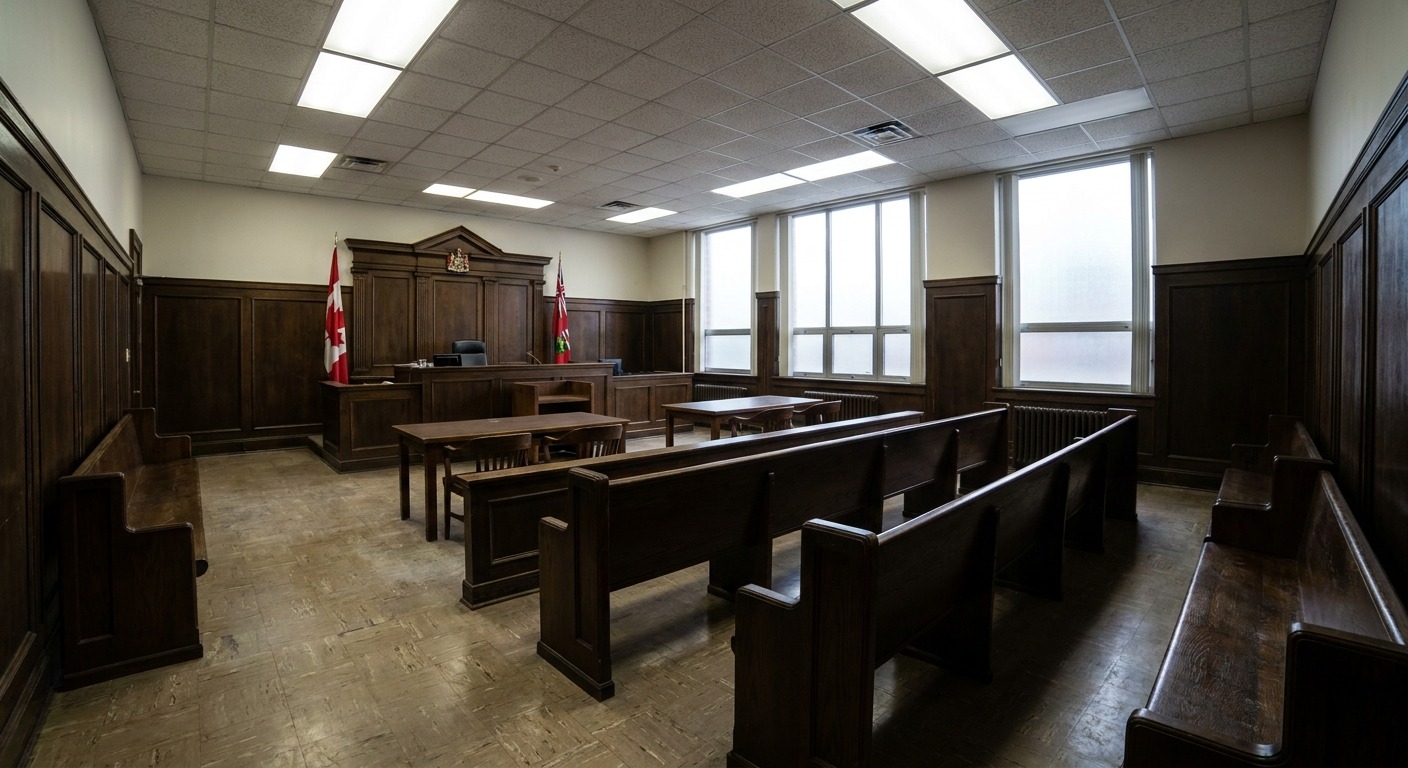
When a young person between the ages of 12 and 17 is accused of a criminal offence in Ontario, their case is governed by the Youth Criminal Justice Act (YCJA), a federal statute that establishes a distinct legal framework for youth justice. The YCJA reflects a fundamentally different approach than the adult criminal justice system, emphasizing rehabilitation, proportionality, and the recognition that young people have unique needs and a heightened capacity for change.
This guide explains how the youth criminal justice system works in Ontario, from the initial police contact through to the possible outcomes, including the important protections that the YCJA provides for young persons and their families.
Who Is a "Young Person" Under the YCJA?
The YCJA applies to individuals who were aged 12 to 17 at the time the offence is alleged to have been committed. This age determination is based on the date of the offence, not the date of the charge or the court proceeding. A person who was 17 at the time of the offence but is 18 or 19 by the time the case comes to court is still dealt with under the YCJA.
Children under the age of 12 cannot be charged with any criminal offence. This is an absolute rule. Where a child under 12 engages in concerning behaviour, the response is through child welfare and social services, not the criminal justice system.
Extrajudicial Measures: Alternatives to Charges
One of the most significant features of the YCJA is its emphasis on addressing youth offending outside the formal court system wherever appropriate. The Act establishes a presumption in favour of extrajudicial measures for less serious offences, particularly for first-time offenders.
Extrajudicial measures include:
Police discretion. Police officers have broad discretion under the YCJA to deal with youth offences informally. Before laying a charge, the officer must consider whether a warning, caution, or referral would be adequate. For minor offences, a police warning is often the most appropriate response.
Crown cautions. The Crown Attorney may issue a formal caution to the young person, warning them about the consequences of their behaviour without proceeding with charges.
Referrals to community programs. Police or the Crown may refer the young person to a community-based program that addresses the underlying issues, such as counselling, restorative justice circles, or youth support services.
Extrajudicial sanctions (s.10). These are more formal programs that the young person must agree to participate in. They may include community service, an apology to the victim, restitution, or attendance at a specific program. The young person must accept responsibility for the behaviour. Successful completion means no charge is laid or the charge is withdrawn.
The YCJA presumes that extrajudicial measures are adequate for first-time, non-violent offences. This is not just a possibility but a legislative direction: the Act requires police and the Crown to consider these alternatives before proceeding with charges.
Youth Court Process
When charges are laid, the case proceeds through the Ontario Court of Justice sitting as a youth court. The process has similarities to the adult system but with important differences:
Right to counsel. Every young person has the right to retain and instruct counsel. If the young person or their family cannot afford a lawyer, they are entitled to legal aid. The court must be satisfied that the young person understands their right to counsel before proceedings can continue.
Parental involvement. The YCJA requires that a young person's parents or guardians be notified of the charge and proceedings. Parents have the right to attend court, and the court may order a parent's attendance if their presence would be in the best interest of the young person.
Publication ban. The identity of the young person is protected by a mandatory publication ban under s.110 and s.111 of the YCJA. No person may publish the name, photograph, or any information that would identify a young person as having been charged with or found guilty of an offence. Violations of the publication ban are themselves criminal offences.
Bail. The YCJA has its own bail provisions (s.29), which include a presumption in favour of release. Detention before trial is a measure of last resort for young persons and is subject to stricter limitations than adult bail. Understanding the general bail process provides useful context, though the youth provisions are distinct.
Youth Sentencing
If a young person is found guilty, the YCJA provides a range of sentencing options that differ from those available for adults. The sentencing principles emphasize proportionality and rehabilitation. Available sentences include:
Non-custodial sentences:
- Reprimand: A formal warning from the judge with no further conditions
- Absolute discharge: The young person is discharged without conditions
- Conditional discharge: Discharge subject to compliance with conditions for a specified period
- Fine: Up to $1,000
- Community service order: Up to 240 hours
- Probation: Up to two years, with conditions tailored to the young person's circumstances
- Intensive support and supervision order: A more intensive form of community supervision
- Attendance order: Requiring the young person to attend a specified program
Custody sentences:
- Deferred custody and supervision order: Similar to a conditional sentence, served in the community subject to conditions, with a term of custody imposed if conditions are breached
- Custody and supervision order: The most serious youth sentence, involving a period of custody in a youth facility followed by mandatory community supervision. Custody is served in a youth facility, never an adult institution
Adult Sentences for Young Persons
In the most serious cases, the Crown may apply for an adult sentence for a young person aged 14 or older at the time of the offence. This may occur for offences such as murder, attempted murder, manslaughter, and aggravated sexual assault, as well as other serious violent offences where the Crown demonstrates that a youth sentence would not be adequate to hold the young person accountable.
The process for seeking an adult sentence involves:
- The Crown must give notice of its intention to seek an adult sentence
- The case is still heard in youth court
- The court must be satisfied, after considering the purpose and principles of the YCJA, that a youth sentence would not be adequate
- If an adult sentence is imposed, the publication ban on the young person's identity may be lifted
Adult sentences for young persons are relatively rare and are reserved for the most serious offences. The court applies a rigorous analysis before departing from the youth sentencing framework.
Youth Records
The YCJA provides significant protections for youth records, reflecting the principle that young people should not be burdened indefinitely by mistakes made during adolescence.
Access restrictions. Access to youth records is restricted to specific individuals and agencies identified in the Act. The general public does not have access to youth court records.
Access periods. Youth records become subject to restricted access after specified periods depending on the outcome:
- Extrajudicial sanctions: two years after the young person consented to the sanction
- Acquittal: two months after the appeal period expires
- Reprimand: two months after the sentence
- Absolute discharge: one year
- Conditional discharge: three years
- Summary conviction: three years after completion of the sentence
- Indictable offence: five years after completion of the sentence
After the access period expires, the record is deemed not to exist for most purposes. This is a significant advantage of the youth system compared to the adult system, where criminal records persist unless a record suspension (pardon) is obtained. For more on adult criminal records, see our guide on criminal record consequences.
What Parents Should Know
If your child is facing criminal charges, there are several important things to understand:
- Your child has the right to a lawyer. Ensure they have legal representation before making any statements to police or appearing in court. Legal aid is available for youth who qualify financially.
- Statements to police. The YCJA provides enhanced protections for youth statements. Under s.146, a statement by a young person is only admissible if the young person was informed of their rights in language they understand, and had the opportunity to consult with counsel and a parent before making the statement. Understanding the right to silence is essential.
- Attend court. Your presence in court supports your child and is expected by the court. In some cases, the court can order a parent's attendance.
- Comply with conditions. If your child is released on conditions, help them understand and comply with those conditions. A breach of conditions is a separate offence that complicates the original case.
Speak with a Criminal Lawyer. Youth criminal charges require specialized knowledge of the YCJA and its distinct procedures, sentencing options, and protections. If your child is facing criminal charges in Ontario, obtaining experienced legal representation early in the process is critical. Contact a criminal lawyer to discuss your child's case in a confidential consultation.
Frequently Asked Questions
- What age does the Youth Criminal Justice Act apply to?
- The YCJA applies to young persons aged 12 to 17 at the time of the offence. Children under 12 cannot be charged with a criminal offence. Young persons who are 18 or older at the time of the offence are dealt with under the adult criminal justice system.
- What are extrajudicial measures?
- Extrajudicial measures are alternatives to formal charges under the YCJA. They include police warnings, cautions, referrals to community programs, and extrajudicial sanctions (which may involve community service, apology letters, or restitution). These measures allow minor offences to be addressed without going through the court system.
- Can a young person be tried as an adult?
- Under the YCJA, a young person aged 14 or older who is charged with a serious violent offence may receive an adult sentence if the Crown applies for one and the court is satisfied that a youth sentence would not be adequate to hold the young person accountable. The young person is still tried in youth court, but may receive an adult sentence.
- Are youth criminal records public?
- No. The YCJA includes strict publication bans that prohibit publishing the name or any identifying information of a young person charged with or found guilty of an offence. Youth records are also subject to access restrictions and are sealed or destroyed after specified periods, depending on the outcome of the case.
- What is a youth custody sentence?
- Youth custody sentences under the YCJA are the most serious disposition available. They can only be imposed in limited circumstances, such as violent offences, failure to comply with non-custodial sentences, or offences for which an adult would face imprisonment. Youth custody is served in a youth facility, not an adult institution, and always includes a community supervision portion.